
Instrumented traction testing
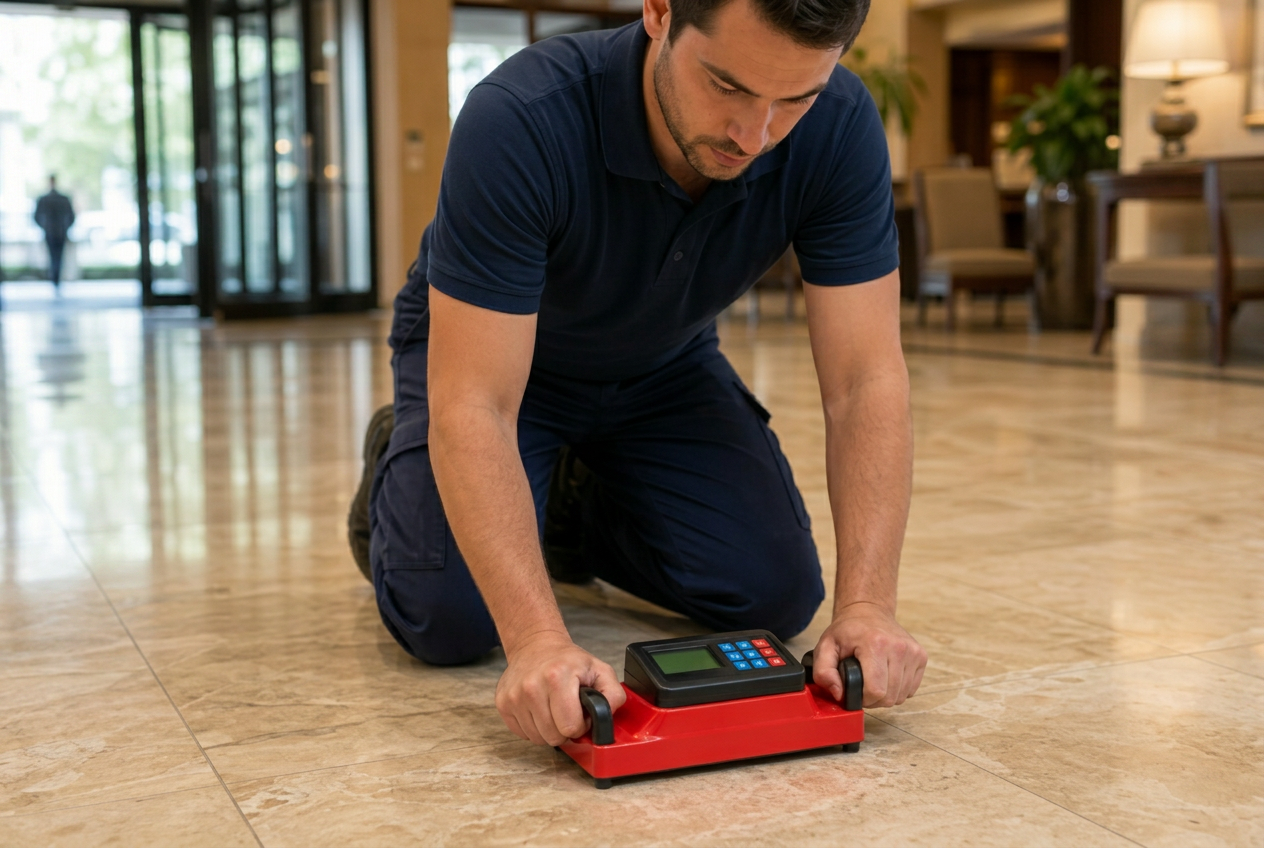
Metered readings taken at representative locations where slip resistance matters, recorded with the surface condition, contaminant state, and location reference at the time of testing.
Safety Consulting Division
A friction-meter reading is one part of a broader assessment. Surface condition, contaminants, geometry, drainage, use, maintenance, and operational context all shape what a property should do next.
What we do on site
Each engagement is scoped with your team so the field work reflects how the property is actually used.
Metered readings taken at representative locations where slip resistance matters, recorded with the surface condition, contaminant state, and location reference at the time of testing.
Documented review of transitions, level changes, thresholds, edges, nosings, handrails, drainage, lighting context, and other walkway conditions observed within the agreed scope.
Representative evaluation across guest, public, and employee areas that establishes a baseline your team can compare against in future years.
Focused evaluation of the reported area plus relevant comparison locations, documenting present conditions and known changes for counsel, insurers, adjusters, and risk teams.
Verification testing after cleaning, repair, treatment, or material change, so the property has a record of conditions before and after the work.
Field records, photographs, location references, and supporting data are preserved and organized into a report your leadership can read and act on.
Feature
A traction result is method- and condition-specific. It describes what was measured, at that location, in that condition, at that moment — using the method applied. It is not a guarantee of future performance, and it does not, on its own, describe how a surface will behave under different contaminants, maintenance practice, footwear, or traffic.
That is why our reports present measured results alongside visual observations, context, and prioritized recommendations. Conditions can change after an assessment, so we also identify what should be monitored and when reassessment makes sense.
Our promise
Objective testing. Practical recommendations. Defensible documentation.
Findings are written so they can stand on their own — whether the corrective work is completed by your team, another qualified provider, or National Non-Skid.
Reports document the conditions observed within the agreed scope and provide prioritized recommendations. They do not determine legal causation, negligence, or comprehensive code compliance.
Reporting
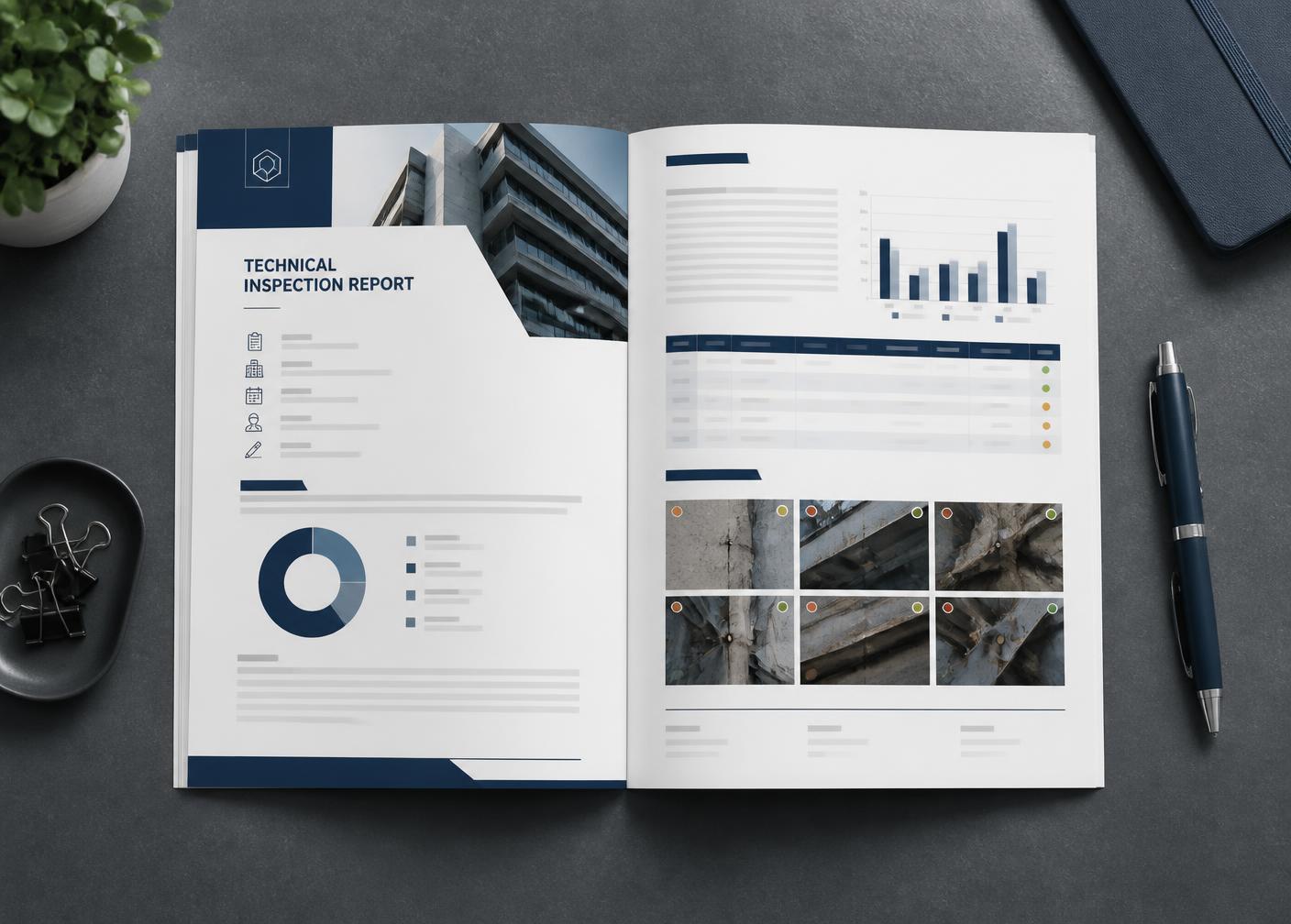
Structured so a general manager, chief engineer, risk manager, or outside reviewer can each find what they need.
Section labels shown for illustration. Report content is specific to each property and the agreed scope.
Safety Consulting
Create a client portal account, find your property in our registry, and submit the assessment intake. We'll confirm scope and scheduling from there. Prefer to talk first? Call or email us.